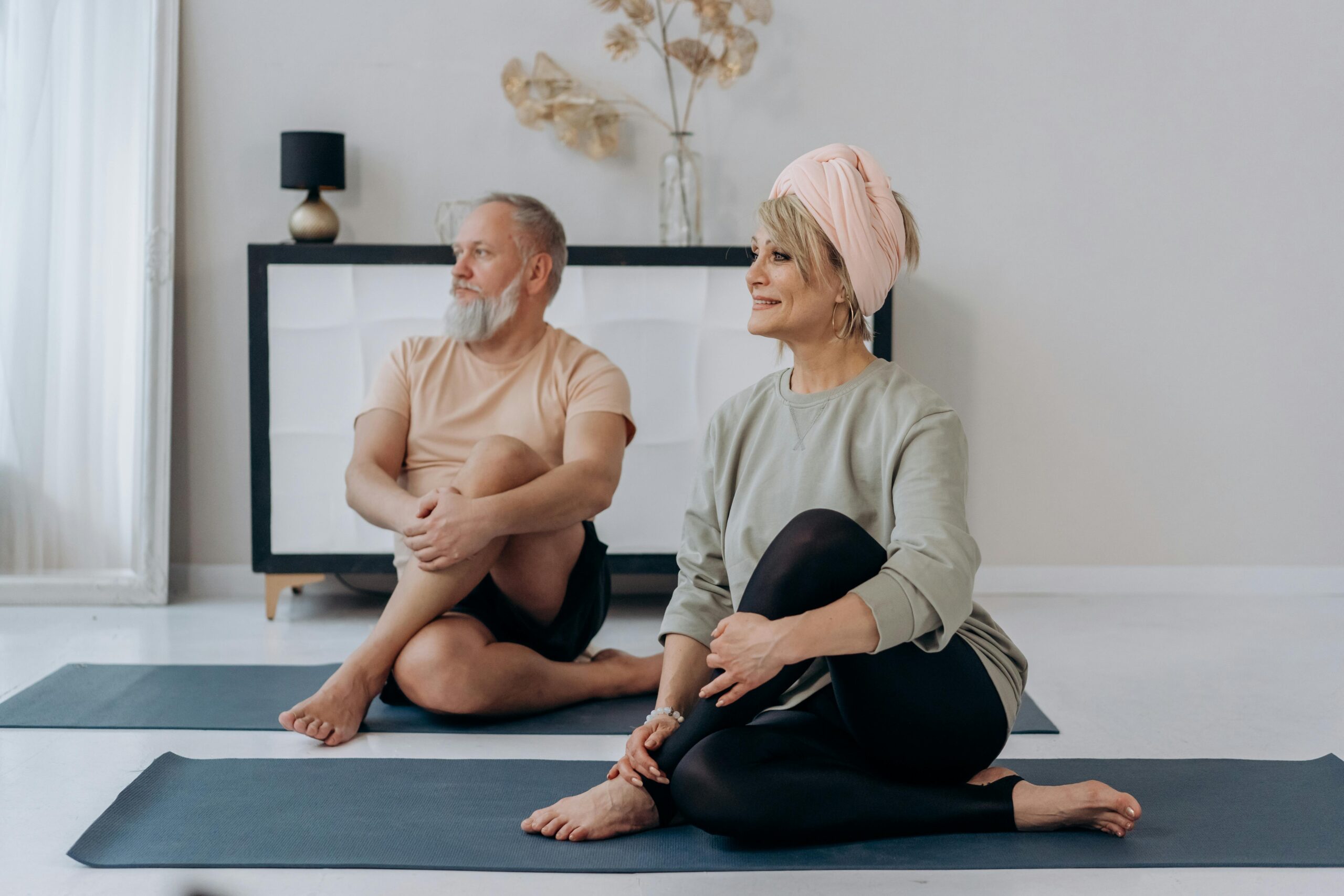
Yoga is a wonderful way for seniors to maintain flexibility, strength, and mental well-being. However, practicing yoga after the age of 60 requires special attention to safety and body awareness. As our bodies age, changes in muscle mass, joint mobility, and balance can increase the risk of injury if precautions are not taken. In this post, we explore important tips and advice to help seniors enjoy safe and effective yoga sessions.
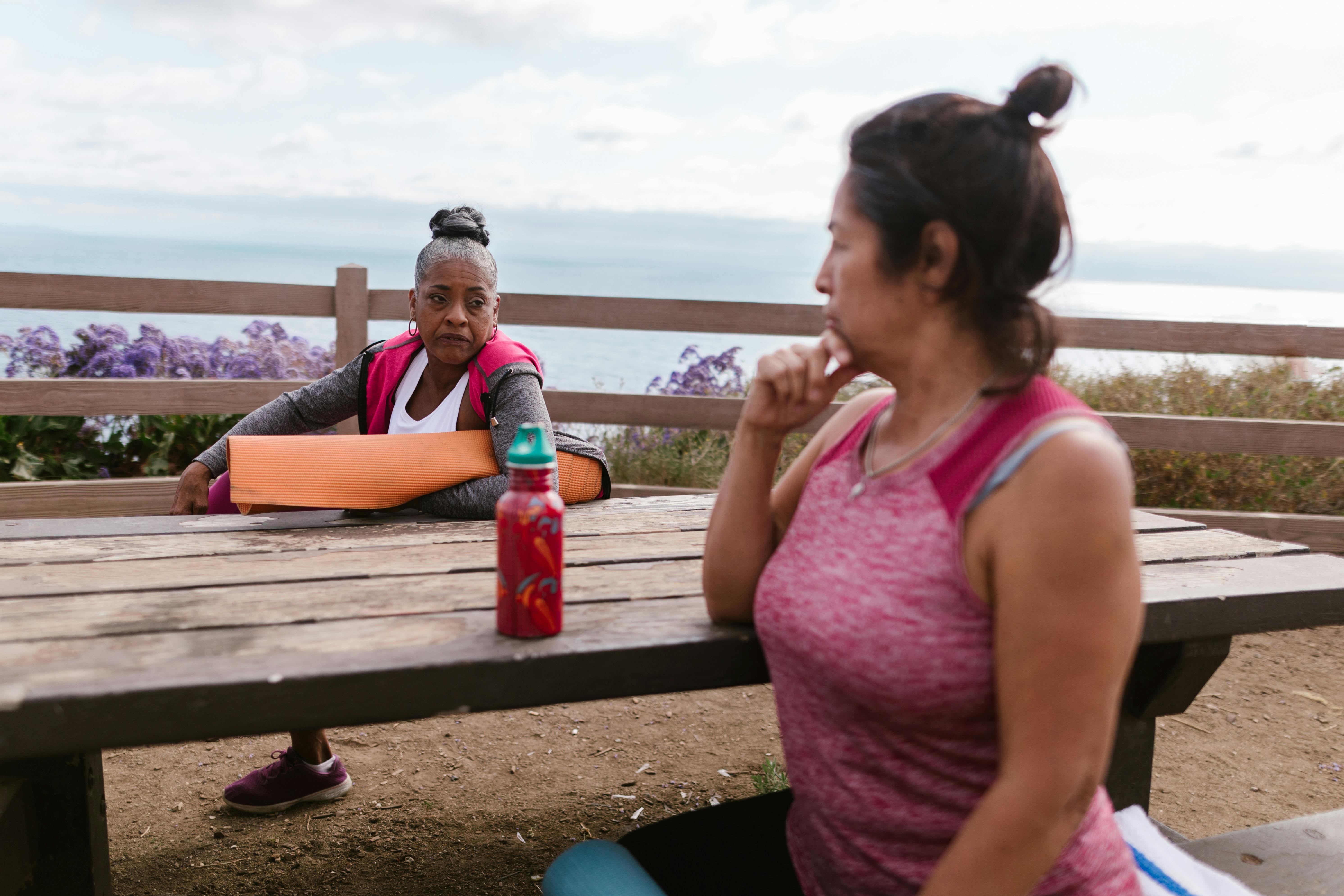
1. Consult Your Doctor Before Starting
It’s crucial to discuss your plans to begin yoga with your healthcare provider, especially if you have chronic health conditions like arthritis, osteoporosis, or cardiovascular disease. Your doctor can help you understand any limitations or suggest modifications to prevent injury.
2. Choose the Right Style and Instructor
Not all yoga styles are suitable for seniors. Gentle or restorative yoga, Hatha, or chair yoga classes are often more appropriate. Look for certified instructors experienced in teaching older adults, who can provide modifications tailored to your abilities.
3. Warm Up and Move Slowly
Warming up prepares your muscles and joints for the practice and decreases injury risk. Begin with gentle stretches and slowly ease into each pose. Avoid any fast or jerky movements. Breathe deeply and steadily throughout your practice to maintain relaxation and oxygen flow.
4. Use Props and Modifications
Blocks, straps, blankets, and chairs are valuable tools to support your practice and improve balance and alignment safely. Don’t hesitate to use them to accommodate your body’s needs and limitations.
5. Listen to Your Body and Avoid Overstretching
While yoga encourages flexibility, it’s important not to push yourself into pain or discomfort. Pay close attention to what your body is telling you and stop or modify any pose that causes strain or sharp pain. Overstretching can lead to injuries, especially in older ligaments.
6. Focus on Balance and Core Strength
Balance tends to decline with age, increasing fall risk. Incorporate poses that gently challenge your balance, but always keep safety in mind. Engaging your core helps support your posture and reduce pressure on joints.
7. Hydrate and Rest
Drink plenty of water before and after your session to stay hydrated. Also, allow your body ample rest between sessions for recovery, particularly if you feel muscle soreness.
By incorporating these tips and prioritizing safety, yoga can be a rewarding and sustainable practice well into your senior years. Remember that every individual is different, so personalize your practice to your needs, and enjoy the many holistic benefits that yoga offers.